
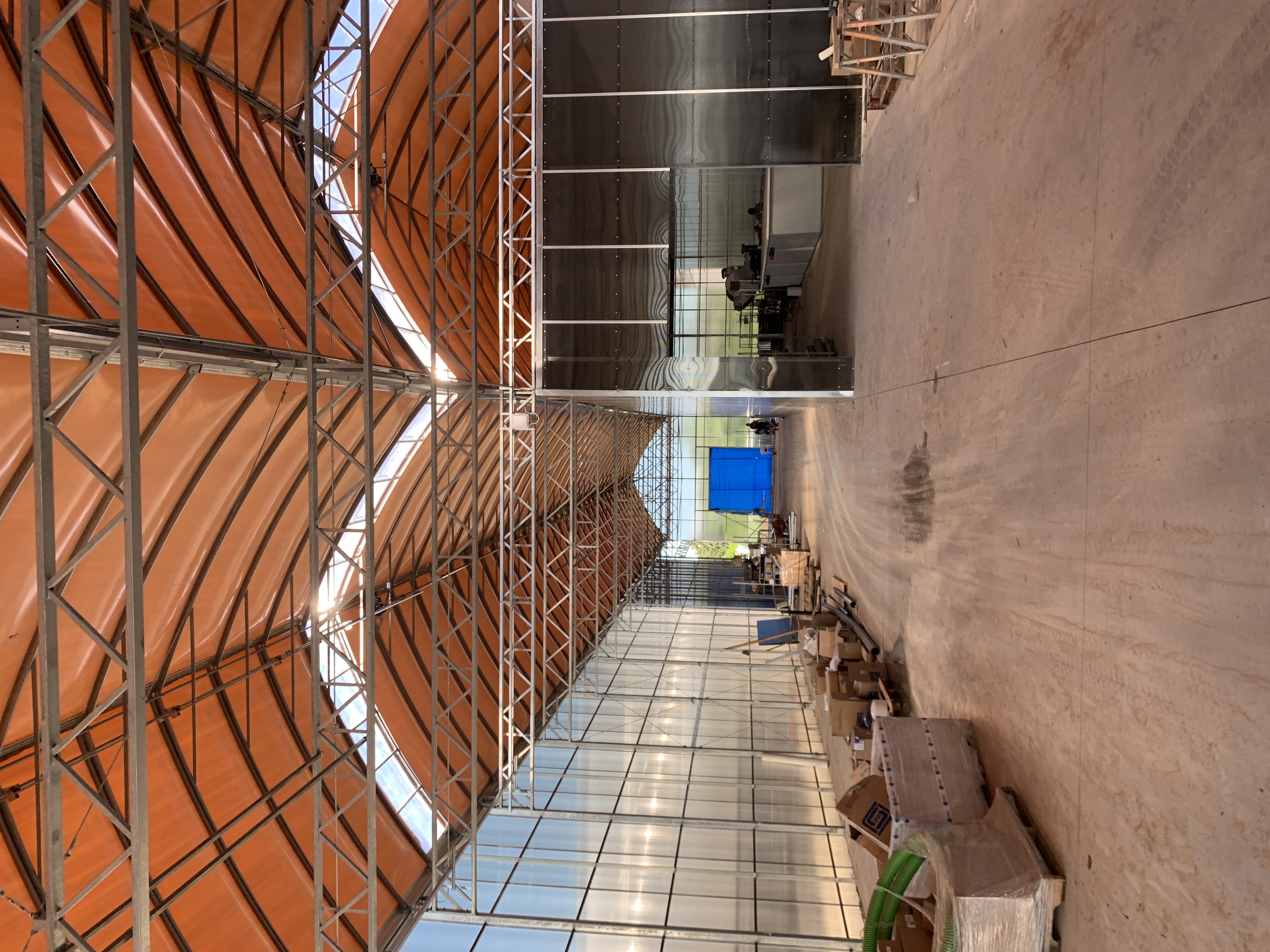
We recently did a greenhouse fibre installation for Kamps Hydrangea in Niagara. This project is a great example of where fibre optic cabling isn’t just the “high-end option”, it’s actually the most practical and reliable solution when you’re dealing with distance, outdoor environments, and future expansion.
For this project, we were brought in after reviewing the original proposal from the internet provider and working with the client to design a more flexible and cost-effective system.
One of the first challenges on this greenhouse fibre install was simple: distance.
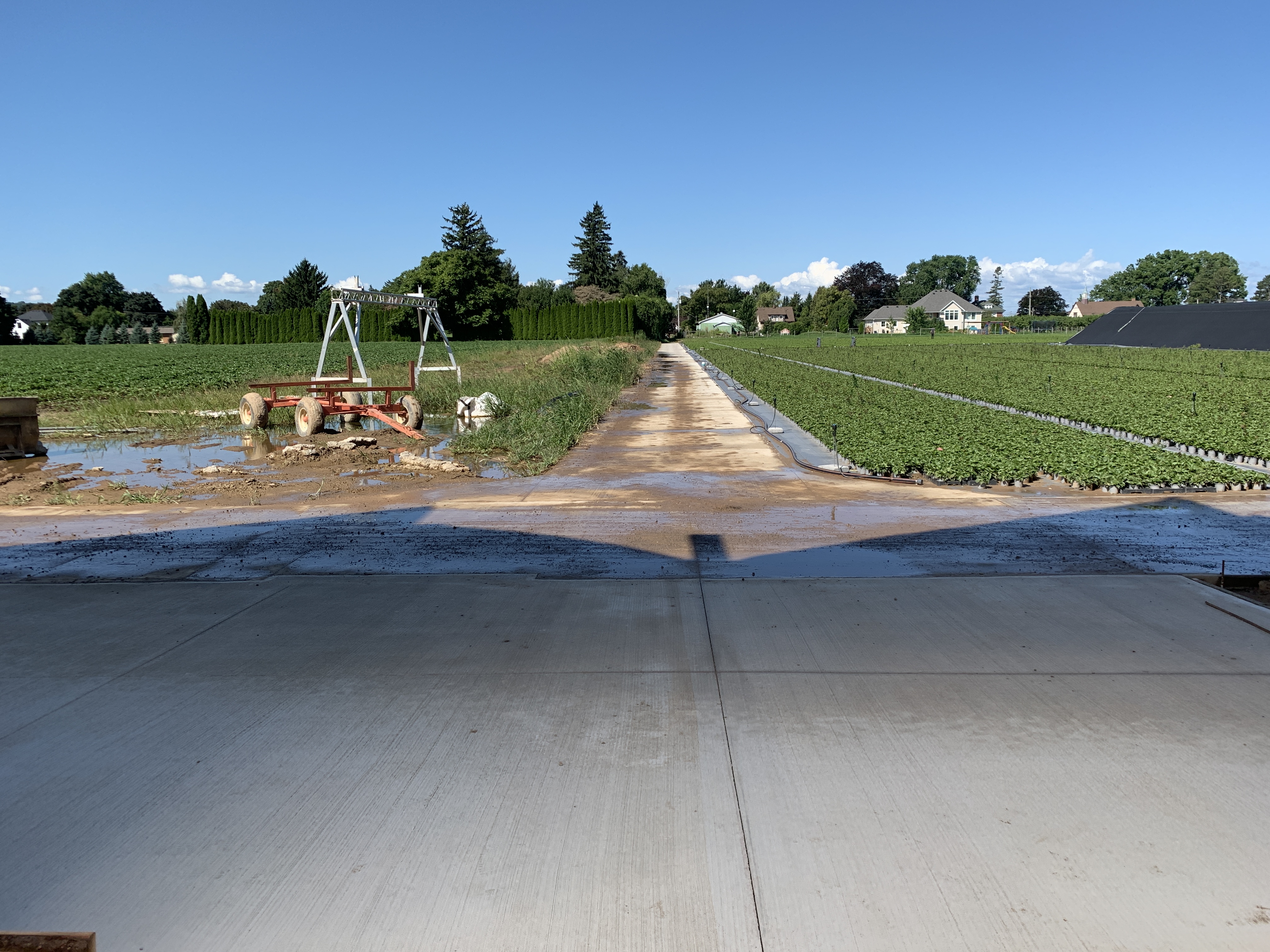
Across the property, several cable runs exceeded what CAT6 and even CAT6A cabling can reliably support. While CAT6A can sometimes stretch performance a bit further in ideal conditions, both still have practical limits when you’re dealing with large rural properties and multiple greenhouse structures.
Once you go beyond those limits, you start risking:
For a greenhouse environment where monitoring systems, controls, or internet access may be critical, that’s not something you want to gamble with.
That’s where fibre made sense.
Part of this greenhouse fibre installation involved running cable through underground conduit between structures.
In any underground run copper systems can pose a few issues, including:
With fibre optic cabling, those concerns are greatly reduced. Because fibre uses light instead of electrical signals, it is immune to electrical interference and doesn’t suffer from grounding or corrosion issues the same way copper does.
For rural greenhouse environments, that reliability makes a big difference long term.
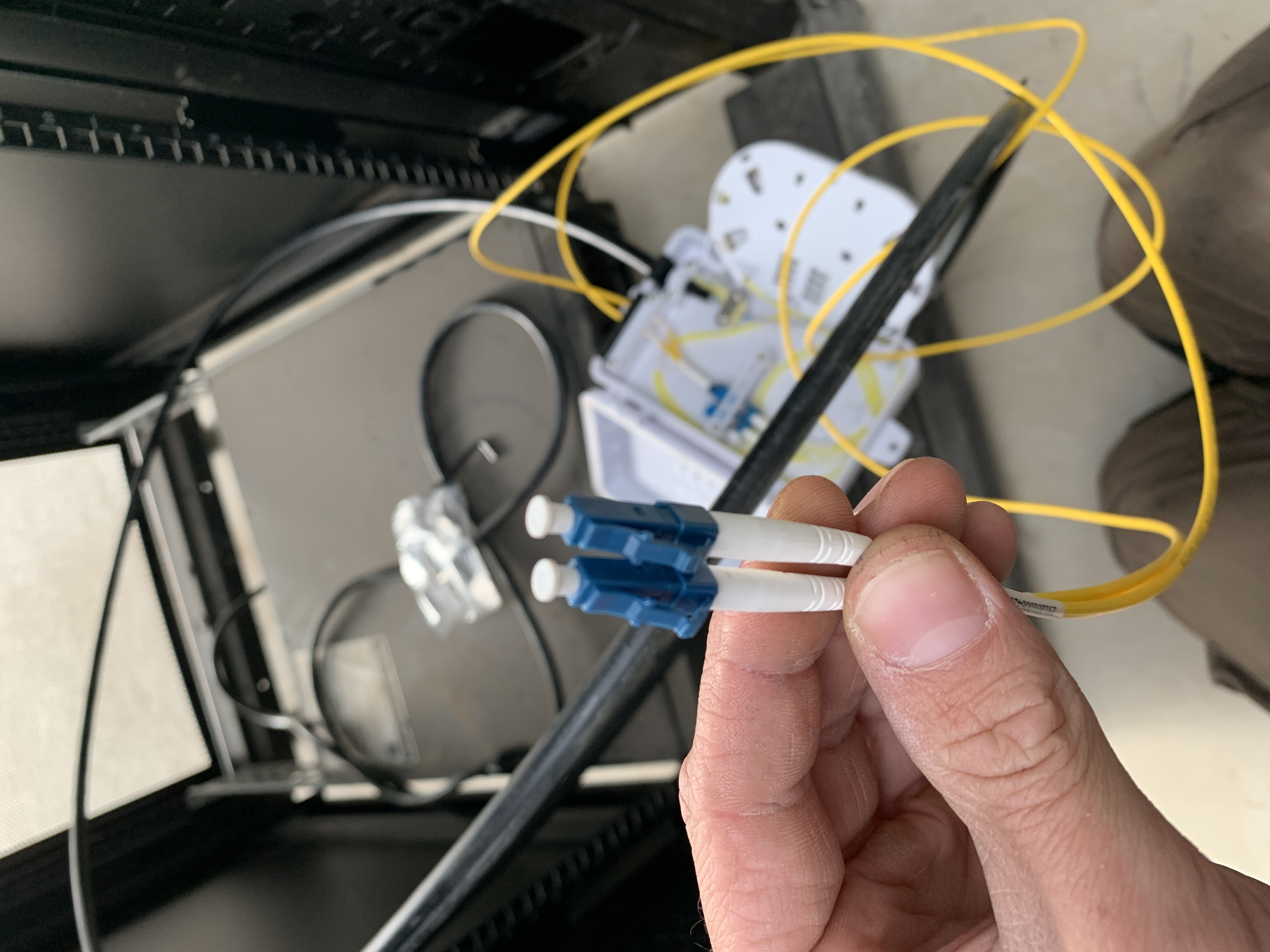
Another key reason we used fibre on this greenhouse fibre install in Niagara was future growth.
While CAT6A can support up to 10Gbps under the right conditions, this type of agricultural setup benefits from a backbone that won’t need to be replaced as the site expands.
Fibre gives us that flexibility. It allows for:
In short, it avoids having to redo the entire network later when demands increase.
The property owner already had an internet connection through Bell Canada at the site. As the new greenhouse was built farther back on the property, the initial proposal was to install a second dedicated fibre line from the street directly to the new structure.
While that solution would have worked, it came with a downside: ongoing monthly costs. The second line would have added roughly $200–$300 per month on top of installation fees.
We all know, more monthly fees can add up quickly.
That’s when the client reached out for an alternative greenhouse fibre installation solution.
Instead of adding a second ISP line, we designed a private fibre backbone running 12-strand fibre from the existing network demarcation point across the property to the new greenhouse.
We also tied in other existing greenhouse buildings to create a more unified system.
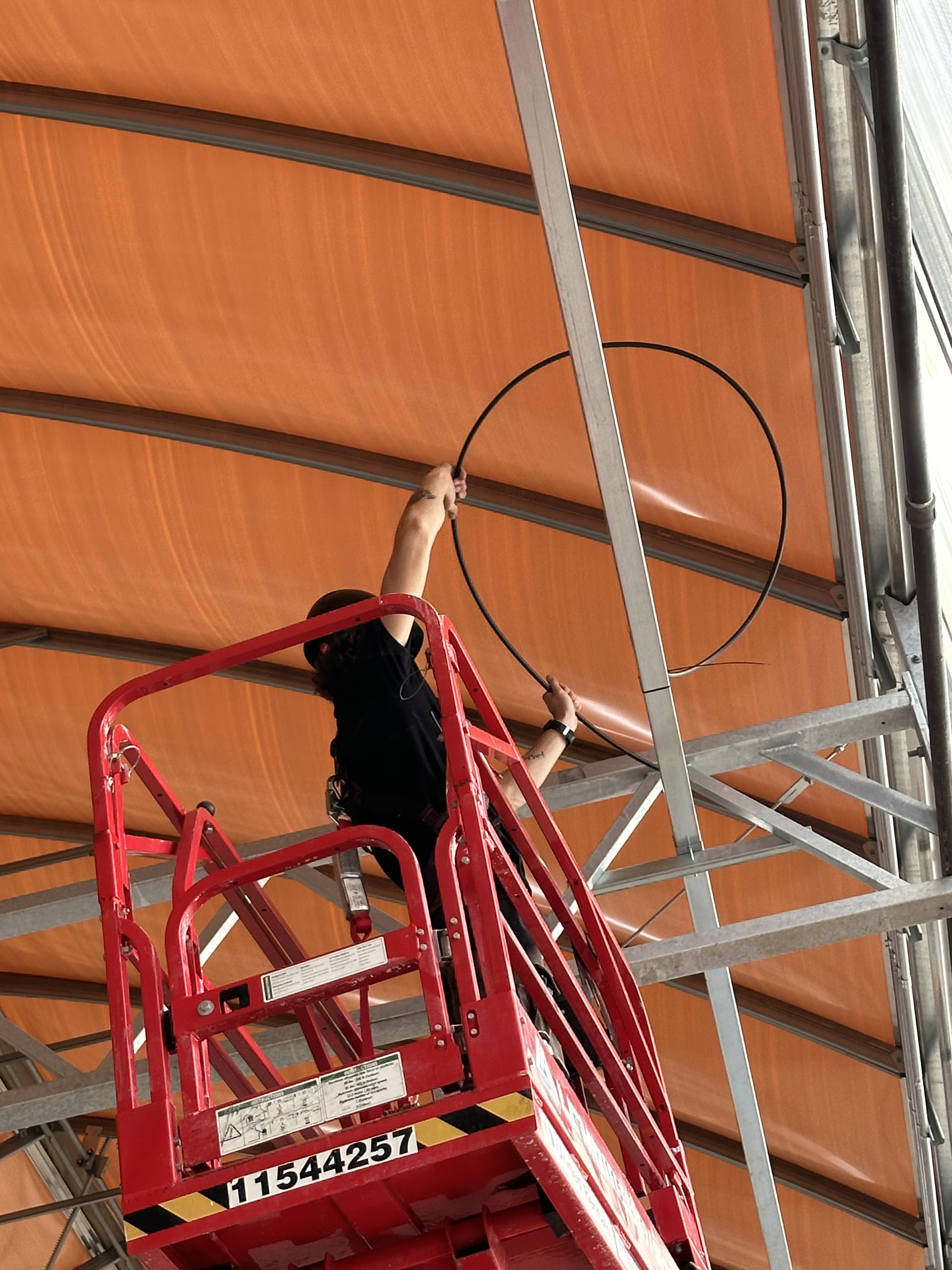
This project involved careful greenhouse fibre splicing and planning to ensure everything remained clean, reliable, and easy to expand later if needed.
The benefits of this approach were:
Most importantly, the total installation cost was comparable to what the ISP would have charged just to bring in a second line.... but without the ongoing monthly expense.
This greenhouse fibre installation in Niagara delivered a reliable, long-term network solution that fits the needs of a rural agricultural site.
Instead of being locked into multiple ISP connections (that aren't really even yours) and recurring fees, the client now has a fibre backbone (they completely own) that connects the entire property and can grow with the operation.
In rural environments like this, fibre isn’t just about speed, it's the smart decision for your property & invesment.
St. Catharines | Niagara Falls | Hamilton | Burlington | Lincoln | Niagara-on-the-Lake | Grimsby | Thorold | Welland | Pelham


Reliable installs. Backed by warranty